

Health Guides & Medicine Information
Dengue Fever in Pakistan: Symptoms, Warning Signs and Prevention

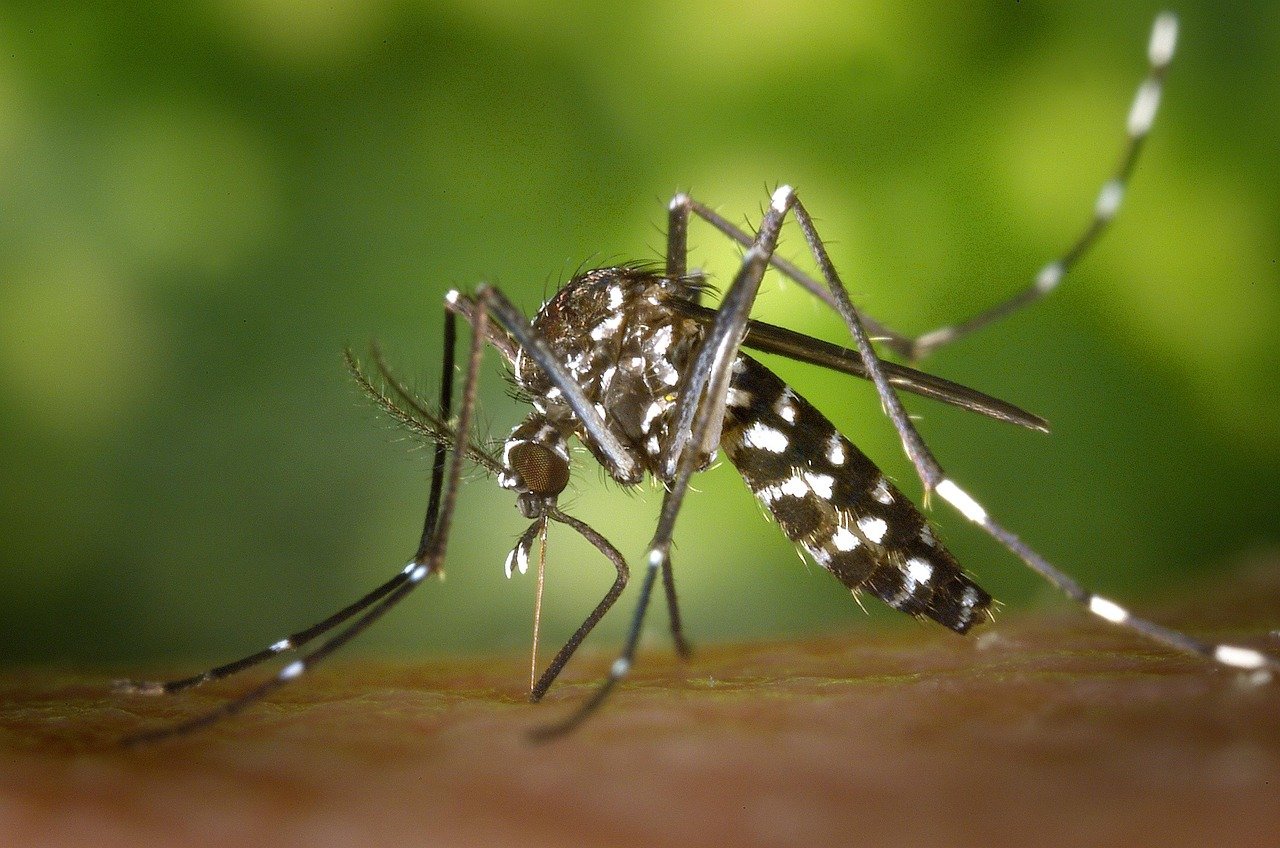
Every year, once the rains end and the air stays humid, dengue cases climb across Punjab. The fever is spread by the Aedes mosquito, and in the first few days it can look like any other viral fever. This guide covers what to watch for, when dengue turns serious, and what you can do at home.
What is dengue and how does it spread?
Dengue is a viral infection passed on by the bite of an infected Aedes mosquito. Unlike many mosquitoes, Aedes bites mostly in the daytime, with peaks in the early morning and late afternoon. It breeds in small pools of clean, standing water: desert coolers, flower pots, buckets, old tyres and rooftop tanks. Dengue does not pass directly from one person to another.
Common dengue symptoms
Symptoms usually begin 4 to 10 days after the bite and last about a week:
- Sudden high fever
- Severe headache, often felt behind the eyes
- Pain in the muscles, joints and bones
- Nausea and vomiting
- A skin rash, usually a few days after the fever starts
- Tiredness and loss of appetite
Many people have a mild illness and recover at home. But you cannot tell a mild case from a dangerous one by symptoms alone, which is why a blood test and a doctor’s advice matter during dengue season.
Warning signs: go to hospital without delay
The risky period often begins just as the fever starts to settle, usually between day 3 and day 7. A person who seems to be getting better can suddenly get worse. Go to a hospital straight away if you or your child has any of these:
- Severe stomach pain
- Vomiting that will not stop
- Bleeding from the nose or gums, or blood in vomit or stool
- Cold, clammy skin or extreme restlessness
- Unusual sleepiness or difficulty staying awake
- Fast or difficult breathing
- Passing very little urine
Testing and treatment
There is no specific antiviral medicine for dengue. Care means rest, plenty of fluids and close monitoring. Doctors usually ask for a blood count including platelets, and sometimes an NS1 or antibody test. Please do not start treating yourself based on a platelet number or a supplement someone recommended; let your doctor decide.
For fever and body pain, doctors commonly advise paracetamol. Avoid aspirin, ibuprofen and similar painkillers unless your doctor says otherwise, because they can raise the risk of bleeding. Always follow the dose your doctor gives you.
Keep drinking: water, soups, lemon water and ORS sachets all help. Pale, clear urine is a good sign that you are drinking enough. A digital thermometer at home makes it easier to track the fever and tell your doctor what is happening. You can also browse our fever care range.
How to prevent dengue at home
- Once a week, empty and scrub anything that holds water: coolers, flower pots, buckets, drums and trays.
- Keep rooftop tanks and water drums tightly covered, and fix leaking taps.
- Fit window screens or sleep under a net, especially children and the sick.
- Wear long sleeves in the morning and late afternoon, and use a repellent on exposed skin, such as mosquito lotion.
- Use an indoor mosquito machine as directed on the label, and keep it out of children’s reach.
- If someone at home has dengue, keep them under a net so mosquitoes cannot bite them and carry the virus to others.
If you see stagnant water in your street or an empty plot, tell your neighbours and local municipal office. Dengue is a community problem, and one neglected pool can affect a whole lane.
Who is at higher risk?
Young children, pregnant women, older adults and people with long-term illnesses such as diabetes or heart disease can become seriously ill more easily. A second dengue infection can also be more severe than the first, so past illness is not a reason to relax.
When should you see a doctor?
If you have a fever for more than a day or two together with body pain or a headache, particularly in dengue season, get checked rather than just taking tablets at home. Early testing and follow-up are the best protection against complications.
Thermometers, ORS and mosquito protection are available at SargodhaBazar.pk, with delivery across Pakistan and cash on delivery.
This article is for general information and does not replace advice from a doctor. If you are unwell, please see a qualified doctor, and use medicines only as prescribed.