

Health Guides & Medicine Information
Vitamin D Deficiency in Pakistan: Signs, Causes and Safe Ways to Fix It

Pakistan has plenty of sunshine, yet low vitamin D is one of the most common findings in blood tests here. Studies from Pakistani cities have repeatedly found that a large share of adults, and women in particular, do not have enough. If you often feel tired or have aching bones, this is worth knowing about.
Why vitamin D matters
Vitamin D helps your body absorb calcium and keeps bones and muscles strong. Severe, long-term deficiency softens the bones: in children this causes rickets, and in adults it causes a condition called osteomalacia. Low levels are also linked to a higher risk of bone loss as people get older.
Common signs of low vitamin D
- Constant tiredness
- Aching bones or lower back pain
- Muscle weakness or cramps
- In children: delayed walking, soft or bowed legs, and slow growth
Many people have no obvious symptoms at all, so the only way to know is a blood test.
Why is it so common despite the sun?
- Spending most of the day indoors, at work or at home
- Clothing that covers most of the skin
- Smog and air pollution, which reduce the sunlight that reaches the skin
- Darker skin, which needs more sun exposure to make the same amount
- A diet with very few vitamin D foods
- Pregnancy, breastfeeding, older age and being overweight, all of which raise the body’s needs or lower its stores
Sunlight and food
Short, regular time in the sun with your face and arms uncovered, a few times a week, helps your skin make vitamin D. Do not stay out long enough to burn. How much sun you need depends on your skin tone, the season and the time of day, so there is no single number that suits everyone.
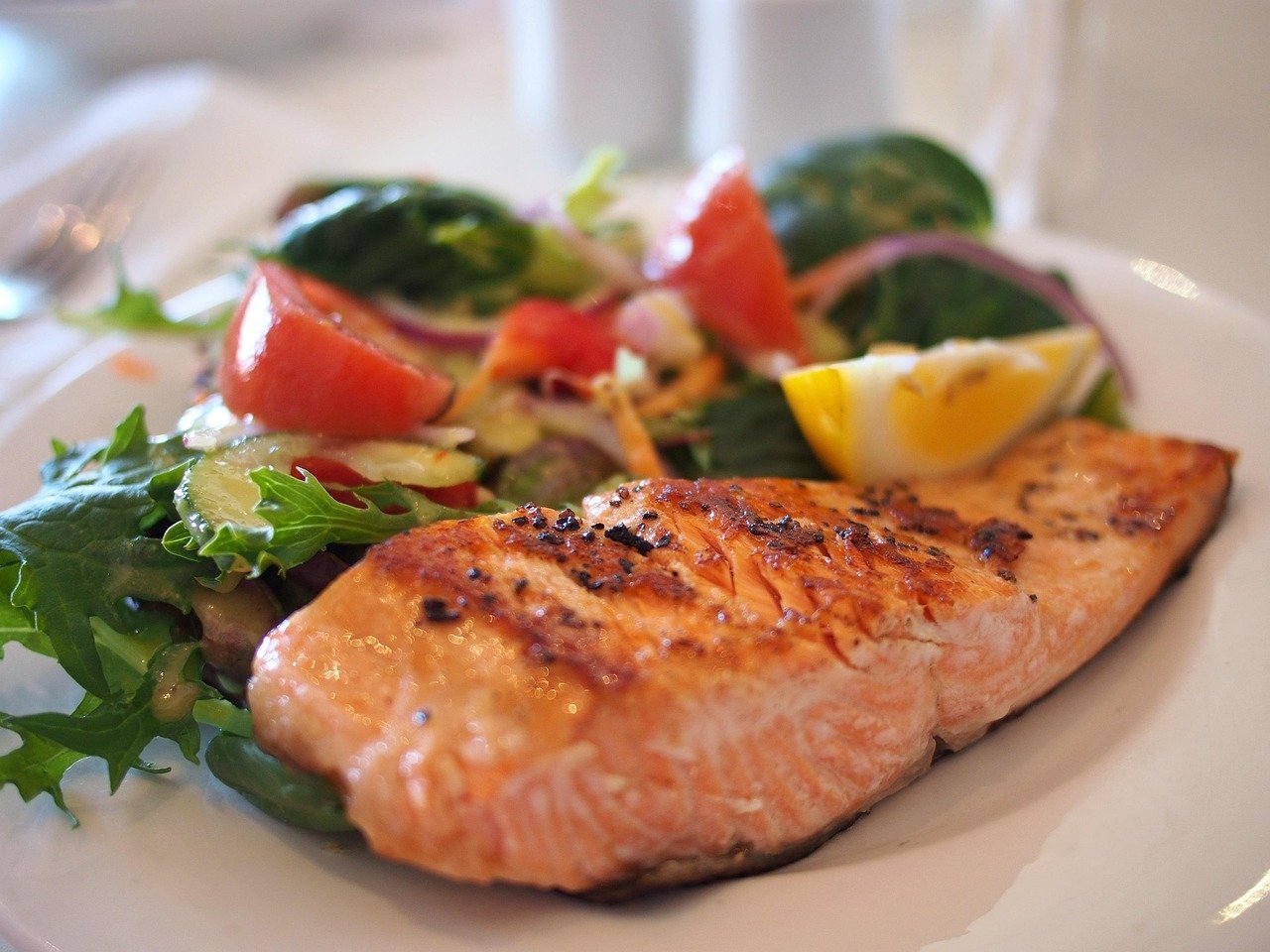
Few foods contain much vitamin D. The best sources are oily fish such as salmon, sardines and mackerel, egg yolks and liver. Many brands of cooking oil and ghee in Pakistan are fortified with vitamins A and D, so check the label. Even with a good diet, most people with a real deficiency need a supplement.
Testing and supplements
The test is a simple blood test for 25-hydroxy vitamin D. If your level is low, your doctor will choose the form and strength: daily capsules, weekly or monthly sachets, or an injection for severe cases. You can read about the medicine on our cholecalciferol and vitamin D3 pages, which list the available brands and prices, or browse the vitamin D deficiency section.
Please do not self-prescribe high-strength vitamin D. Taking too much over a long time can raise calcium in the blood and cause nausea, kidney stones and kidney damage. Follow the strength and duration your doctor gives you, and repeat the test when advised.
Your doctor may also suggest calcium, particularly if your diet is low in dairy. Everyday options include a chewable vitamin D3 tablet or a combined calcium and D3 supplement, but check with your doctor which is right for you.
When to see a doctor
- Bone pain or muscle weakness that does not go away
- Fractures after minor falls
- A child with bowed legs, delayed walking or slow growth
- You are pregnant or breastfeeding and have not had your level checked
The good news is that vitamin D deficiency is easy to test for and easy to treat once it is found. You can order supplements your doctor has prescribed from SargodhaBazar.pk, with delivery across Pakistan and cash on delivery.
This article is for general information and does not replace advice from a doctor. If you are unwell, please see a qualified doctor, and use medicines only as prescribed.